
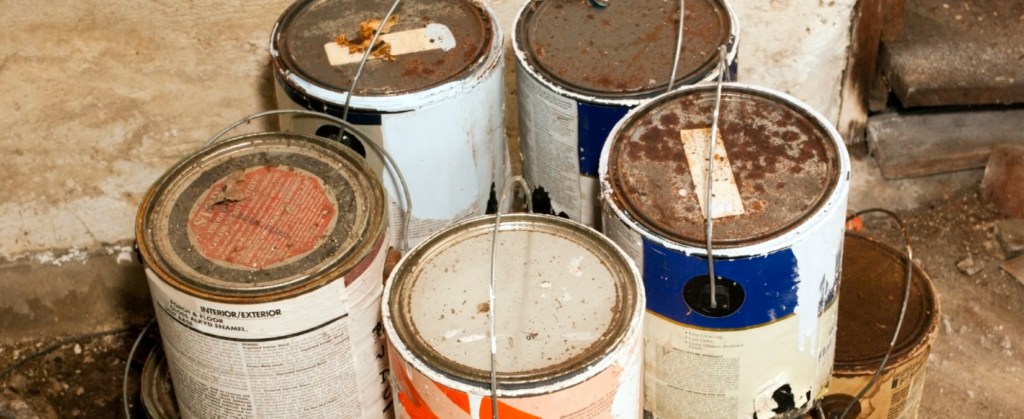
Leftover paint is one of those things that is easy to shove in the shed and forget about. Then, when you need to touch up a wall, repaint a skirting board or cover a scuff, you open the tin and find it has dried out, separated or gone lumpy.
Stored properly, leftover paint can last for years. That means less waste, fewer repeat purchases and a much easier job when you need to freshen up a room later.
Here’s how to store paint properly, whether you are keeping it in the original tin or transferring a small amount into a smaller container.
Why it is worth keeping leftover paint
It is always useful to keep some spare paint after decorating. Even if you do not plan another project straight away, leftover paint can come in handy for:
- Touching up scuffed walls
- Covering marks and chips
- Repainting small areas after repairs
- Matching a colour later
- Keeping a record of what you used in each room
- Avoiding waste after a decorating project
The trick is to store it properly, so it is still usable when you come back to it.
1. Clean the rim of the paint tin
Before putting the lid back on, clean around the rim of the tin.
Paint needs to be stored in an airtight container. If there is dried or wet paint around the edge, the lid may not close properly, which lets air in and can spoil the paint.
Use a damp cloth to wipe away wet paint. If there is dried paint around the rim, carefully scrape it away with something suitable, making sure flakes of dried paint do not fall back into the tin.
This is a small job, but it makes a big difference.
2. Add a plastic seal before closing the lid
Once the rim is clean, place a layer of plastic over the top of the tin before replacing the lid.
You can use cling film or a clean piece of plastic bag. Pull it gently over the opening so it sits flat and creates an extra seal. Try not to tear it, as the aim is to reduce the amount of air getting into the tin.
This extra layer helps stop the paint drying out while it is in storage.
3. Replace the lid carefully
Put the lid back on the tin and press it down evenly.
A good tip is to place a small block of wood over the lid and tap the wood gently with a hammer or mallet. This helps push the lid down without damaging it.
Avoid hitting the tin lid directly. If the lid bends or becomes misshapen, it may not seal properly next time.
And, obviously, mind your fingers.
4. Label the paint clearly
You may think you will remember which room a paint was used in, but give it a few months and every tin starts to look the same.
Before storing the paint, write a few notes on the tin or container. Include:
The room it was used in
The colour name
The finish, such as matt, satin or gloss
Where you bought it
The date it was opened
Any useful notes, such as “feature wall” or “kitchen ceiling”
You can also add a small dab of paint to the lid so you can see the colour at a glance.
This is especially useful if you have several similar colours around the house.
5. Store paint somewhere cool, dry and frost-free
Paint does not like extreme temperatures. If it gets too hot, too cold or damp, it can separate, dry out or become unusable.
The best place to store paint is somewhere:
Cool
Dry
Frost-free
Away from direct sunlight
Away from radiators or heat sources
Off the floor, ideally on a shelf
A garage or shed may seem convenient, but they are not always ideal because temperatures can drop below freezing in winter and rise quickly in summer.
A utility room, cupboard under the stairs or indoor storage cupboard is often a better option.
Can you store paint in the original tin?
Yes, as long as the tin is in good condition and the lid can be sealed tightly.
The original tin is often the best place to keep paint because it includes useful information such as the brand, colour, finish and coverage. Just make sure the rim is clean, the lid is secure and the tin is stored somewhere suitable.
If the tin is damaged, rusty or mostly empty, it may be better to transfer the paint into a smaller airtight container.
What if there is only a small amount left?
If you only have a small amount of paint left in a large tin, transfer it to a smaller clean container with an airtight lid.
This helps reduce the amount of air inside the container, which can help the paint last longer. It also saves space.
You could use a clean glass jar or plastic storage container, as long as it seals properly. Once transferred, add your plastic layer under the lid, label it clearly and store it as you would a normal paint tin.
How long does leftover paint last?
If stored correctly, water-based paint can last for several years. Oil-based paint can often last even longer.
However, always check paint before using it again. Do not use it if it smells bad, has gone mouldy, has dried out, or will not mix back together after stirring.
If it still looks and smells normal, give it a thorough stir before using it.
How to store paint brushes after decorating
Good paint brushes can last a long time if they are cleaned and stored properly.
First, remove as much excess paint as you can from the brush. A brush and roller cleaning tool can help with this, or you can carefully scrape the brush against the side of the tray or tin.
For water-based paint, soak the brush in warm water, then rinse it thoroughly.
For oil-based paint, use white spirit or a suitable brush cleaner. Always follow the instructions on the product you are using.
Once clean, dry the brush with an old cloth and store it somewhere clean and dry. Try to keep the bristles in shape so the brush is ready for next time.
Quick checklist for storing paint
Before putting leftover paint away, make sure you have:
Cleaned the rim of the tin
Added a plastic seal under the lid
Closed the lid firmly without damaging it
Labelled the tin or container clearly
Stored it somewhere cool, dry and frost-free
Kept it away from direct sunlight and heat
Stored brushes clean and dry
Need decorating supplies in Pangbourne?
Whether you are touching up a wall, storing leftover paint or getting ready for your next decorating job, Collins Hardware can help with useful decorating essentials, brushes, rollers, cleaning supplies, storage containers and practical advice.
Pop into the shop in Pangbourne and ask the team if you need help finding the right decorating product for the job.